
Fluoroquinolone Antibiotics and Tendon Pathology: Medico-Legal Considerations
20th May 2026
AI and the Widening Liability Gap in Clinical Practice
9th July 2026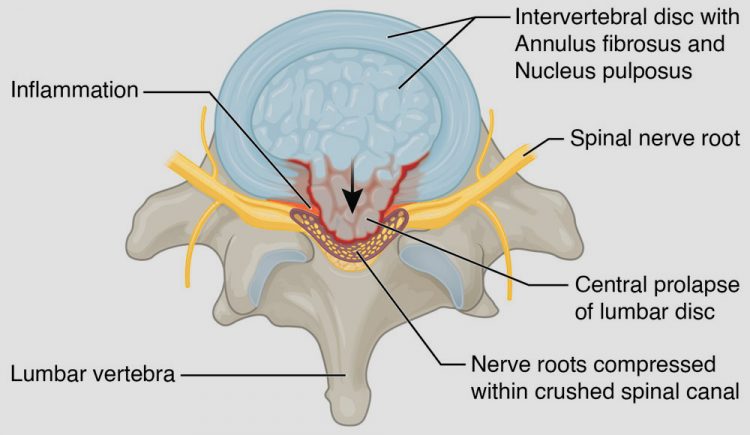
Background
Cauda equina syndrome (CES) is one of the most consistently mismanaged conditions in spinal medicine. Delayed diagnosis produces permanent neurological damage, loss of bladder and bowel function, and profound sexual dysfunction. These are irreversible outcomes. NHS litigation costs related to CES have been estimated at over 186 million pounds per decade, with current claim values routinely exceeding 1.5 million pounds. It was against this background that the Getting It Right First Time (GIRFT) programme published the National Suspected CES Pathway in
February 2023.
Three years on, the evidence suggests the pathway has not delivered the structural change it promised.
The Diagnostic Challenge
The core difficulty in CES diagnosis remains unchanged. Classic red flag symptoms, including bilateral sciatica, saddle area numbness, and urinary change, overlap significantly with benign presentations. Over 80 percent of urgent MRI requests for suspected CES identify no compression. Clinical caution is therefore inevitable. However, a critical and underappreciated problem is that many traditional red flags are late-stage indicators. By the time a patient presents with frank urinary retention or faecal incontinence, irreversible nerve damage may already have occurred. Subtler earlier signs, including urinary hesitancy, perineal tingling, and bilateral leg weakness, must be treated as potential CES without waiting for the complete clinical picture. Waiting for the textbook presentation is both a clinical and a medicolegal error.
A 2025 survey found that only 58 percent of primary care clinicians were aware of the GIRFT pathway. That figure alone undermines any claim that it represents an applied national standard.
The Four-Hour MRI Standard
GIRFT mandated MRI within four hours of request for patients presenting with red flag symptoms. The target has not been matched with resource. Many district general hospitals cannot operate an MRI scanner around the clock. National audit data has recorded median times to imaging at non-specialist referring hospitals of over 13 hours. In some areas, 24 hours has become the accepted local measure. The apparent strategy has been to reduce emergency department attendances rather than increase scanning capacity. From a patient safety perspective, that is a troubling
nversion of priorities. Reduced attendance figures are not evidence of improved outcomes.
Medico-Legal Implications
Familiar failure modes persist in cases reaching medico-legal assessment. Red flag findings documented at triage repeatedly disappear from subsequent medical notes. Contemporaneous patient messaging and video evidence frequently contradicts emergency department records purporting to show no abnormality. Communication failures between GP, emergency department, and tertiary referral teams compound delays at every handover. 2 Patients presenting in the morning routinely miss the last scanning slot of the day.
The GIRFT-mandated bladder scan creates a further problem in practice. The pathway does not suggest it rules out CES. Yet patients with active saddle paraesthesia and urinary symptoms are routinely asked to wait several additional
hours for a residual volume measurement before any escalation occurs. The four-hour MRI standard, now formally documented in a national pathway, sets a clear benchmark. 2 Where a clinician records that imaging was needed but
unavailable, that does not necessarily provide a defence. It may instead crystallise the systemic failure of the trust.
Conclusion
GIRFT was a serious intervention in an area of long-standing clinical failure. But aspiration without infrastructure does not protect patients. The pathway’s existence will provide no comfort to those who have sustained permanent CES deficits following delayed diagnosis. What matters is whether, on the facts of a given case, the standard the pathway now describes was met.